
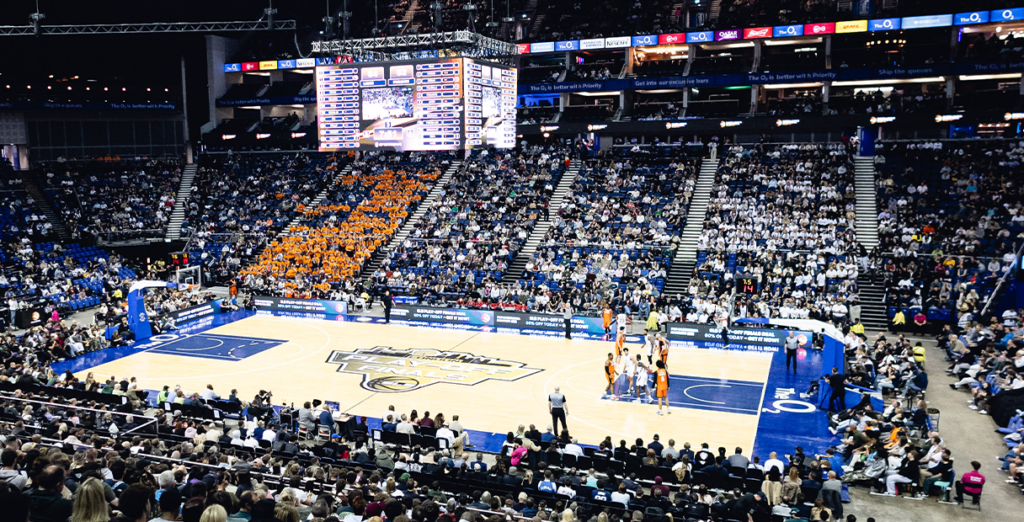
Super League Basketball has introduced an Instant Review System for the 2026–27 season, giving referees access to video footage for a defined group of decisions and allowing every head coach one challenge per game.[2]
The change is intended to improve accuracy and transparency without turning every judgement call into a video review. Here is what supporters need to know when the system is used during an SLB game.
What can SLB referees review?
Officials can use available game footage to review specific situations. These include:
- whether a successful shot should count for two or three points;
- certain foul classifications;
- the identity of the correct free-throw shooter;
- which player last touched the ball before it went out of bounds;
- whether a successful shot at the end of a quarter or overtime was released before the game clock expired;
- possible goaltending or basket interference during the final two minutes of the fourth quarter or overtime; and
- whether a shot in the final two minutes was released before the 24-second shot clock sounded.[2]
The system is therefore not an unrestricted opportunity to reconsider every foul, violation or possession. A review must fall within the league’s defined criteria.
How does a coach’s challenge work?
Each head coach receives one challenge per game. It can only be used for an incident covered by the Instant Review System.[2]
To request one, the coach must make visual contact with the nearest referee, say “Challenge” and draw an imaginary rectangle in the air with their fingers. The review normally takes place at the next stoppage, although officials can stop play earlier if doing so would not disadvantage either team.[2]
The league’s announcement does not state that a successful challenge is retained, so supporters should expect the published one-challenge limit to apply unless SLB issues further guidance.
Who makes the final decision?
An on-court decision must be made before a review begins. The Crew Chief and one other referee then examine the available footage. The original ruling is changed only when the replay provides clear and conclusive evidence.[2]
That standard matters. A close replay that remains ambiguous should not automatically overturn the first decision. Video is being used as an additional officiating tool, not as a replacement for the referees working the game.
Officials will also use specific signals to tell players, coaches and spectators when a review is taking place.[2]
When will supporters notice the biggest difference?
The most visible moments are likely to come late in close games. Out-of-bounds calls, goaltending decisions, shot-clock releases and end-of-quarter baskets can all carry greater weight when only one or two possessions separate the teams.
Coach challenges also introduce a tactical decision. A coach may see a questionable call early but hesitate to use the only available challenge when a more decisive incident could occur in the closing minutes.
The system’s success will depend on consistency, suitable camera angles and reviews being completed without unnecessary delays. SLB has acknowledged that the first season will involve a period of familiarisation and says it will assess the process throughout the campaign.[2]
For supporters, the key point is simple: not every controversial call can be reviewed, and an original decision will stand unless the footage clearly proves it should change.