
Great Britain Basketball: FIBA Suspension Reversal and International Competition Status
11/10/20256 min read
Crisis Resolved: From Suspension to Reinstatement
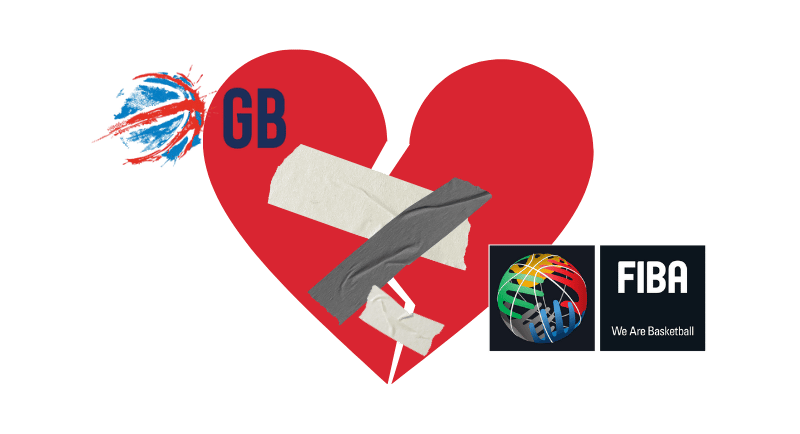
Great Britain's men's basketball programme has emerged from one of the most turbulent periods in its history, following a dramatic month-long suspension by FIBA (Fédération Internationale de Basketball) that threatened to derail the national team's international ambitions. The suspension, which began on October 14, 2025, has now been lifted as of November 6, 2025, allowing the GB men's team to return to international competition—but the underlying governance issues that precipitated the crisis continue to cast a shadow over the sport's domestic landscape.
The Suspension: An Unprecedented Intervention
FIBA's decision to suspend the British Basketball Federation (BBF) represented one of the most severe interventions by the world governing body in recent years, comparable only to the suspensions of Russia and Belarus in 2022. The Executive Committee's action stripped the BBF of two critical powers: the authority to license or recognise national men's competitions, and the ability to field a men's national team in FIBA senior competitions.
The immediate consequences were stark. Great Britain's scheduled home fixture in London on November 27 against Iceland, along with the away fixture on November 30, were cancelled. For a programme that has been working to establish itself on the international stage, the suspension represented a significant setback, removing the team from the crucial FIBA Basketball World Cup 2027 European Qualifiers at a critical juncture.
Importantly, the suspension applied exclusively to the men's programme. The women's national team, which has shown considerable progress under captain Temi Fagbenle, continued to compete without interruption, as did youth teams and the successful men's 3x3 programme.
The Root Cause: A Governance Crisis
The suspension did not emerge in a vacuum but rather represented the culmination of months of escalating turmoil within British basketball. At the heart of the crisis lay a controversial decision by the BBF in April 2025 to award a 15-year exclusive licence to operate a new professional men's competition—the Great Britain Basketball League—to GBB League Ltd (GBBL), a consortium led by American businessman Marshall Glickman. The deal promised £15 million in funding over the first two years, representing a potentially transformative investment for British basketball.
However, the decision immediately triggered fierce opposition. The nine clubs comprising Super League Basketball (SLB), which had been formed following the collapse of the British Basketball League in 2024, refused to join the new league. These clubs initiated legal proceedings in the High Court, alleging that the BBF's tender process constituted an abuse of its dominant position and was fundamentally flawed and illegal.
The dispute drew intervention from the highest levels of British sport governance. UK Sports Minister Stephanie Peacock publicly expressed concern and reportedly asked UK Sport, the body responsible for elite funding, to investigate the allegations. FIBA responded by establishing the Task Force for British Basketball Club Matters in August 2025, conducting what it described as a "comprehensive review of the situation, including interviews and meetings with basketball stakeholders."
The crisis deepened when BBF Chair Chris Grant resigned on October 12, 2025, just days before the suspension was announced, citing "personal reasons" after three years in the position. Grace Jacca assumed the role of Interim Chair, inheriting the daunting task of navigating the federation through its darkest period.
The Path to Reinstatement
Following intensive work by the FIBA Task Force, the suspension was lifted on November 6, 2025—less than a month after it was imposed. The lifting of the suspension represented a partial resolution: the BBF regained the authority to field a men's national team in international competition, clearing the way for participation in the FIBA Basketball World Cup 2027 European Qualifiers beginning November 27, 2025.
However, FIBA's decision came with significant caveats. While the national team suspension was lifted, the BBF's authority to license and recognise domestic men's club competitions remains suspended. This represents an extraordinary ongoing intervention in British basketball governance, effectively removing one of the fundamental responsibilities of a national federation.
To address the vacuum in domestic competition governance, FIBA took the unprecedented step of entering into a direct recognition agreement with Super League Basketball. This arrangement bypasses the BBF entirely, with FIBA recognising SLB as the organising body for the top-tier domestic men's competition. According to FIBA, this framework ensures "the stability and continuity of the top-tier men's basketball competition in Great Britain during this period" while "safeguarding regulatory integrity."
Current Status and International Competition
As of November 2025, Great Britain's men's national team is eligible to compete in all FIBA senior competitions. The team, led by captain Carl Wheatle, can now proceed with the World Cup qualifying campaign that was briefly derailed by the suspension. The qualifiers represent a crucial opportunity for a programme that has been working to establish credibility on the international stage, building on the experience gained from participation in FIBA EuroBasket 2025.
The women's programme continues its upward trajectory unaffected by the governance crisis. The team remains focused on building upon progress made at EuroBasket 2025, with a dynamic roster blending experienced players like Temi Fagbenle with emerging talent. Youth programmes across both genders continue to operate normally, with recent participation in various age-group European Championships providing valuable international experience for the next generation.
The men's 3x3 team has also maintained its momentum, having enjoyed success in FIBA 3x3 World Cup Qualifiers and Europe Cup Qualifiers during the summer. These programmes demonstrate that while governance issues have plagued the administration of British basketball, the sport's athletes and coaches continue to perform with dedication and professionalism.
The Unresolved Issues
Despite the reinstatement of the men's national team, significant challenges remain. The ongoing legal battle between the BBF and Super League Basketball has not been resolved, with the High Court case still pending. The BBF has filed its defence and counterclaim, alleging anti competitive behaviour by SLB, ensuring that the dispute will continue through the judicial system.
FIBA's continued suspension of the BBF's domestic competition authority represents an unusual long-term intervention. The direct recognition agreement with SLB is characterised as a temporary measure, but the timeline for resolving the underlying governance issues remains unclear. FIBA has indicated that the Task Force will continue working closely with the BBF and stakeholders, including UK Sport and the UK Government, "to support BBF in becoming a self-sustainable organisation and to ensure the long-term stability and growth of men's basketball in Great Britain."
The situation raises fundamental questions about the governance structure of British basketball. The fact that the world governing body felt compelled to bypass the national federation and directly recognise a domestic league operator represents a significant vote of no confidence in the BBF's ability to manage the professional game. For the suspension to be fully lifted and normal operations to resume, the BBF will need to demonstrate substantial improvements in transparency, regulatory compliance, and stakeholder engagement.
Implications for British Basketball
The crisis and partial resolution have several important implications for the future of basketball in Great Britain. On the positive side, the swift resolution of the national team suspension demonstrates FIBA's commitment to finding solutions that allow athletes to compete while governance issues are addressed. The fact that the women's and youth programmes were never affected shows that FIBA can take targeted action without punishing innocent parties.
However, the continued domestic competition suspension highlights deep-seated problems in how British basketball is governed. The sport has struggled for years with funding challenges, organisational instability, and questions about the structure of professional competition. The collapse of the British Basketball League in 2024 and the subsequent disputes over its successor competition reflect these ongoing challenges.
The £15 million investment promised by GBBL represented a potentially transformative opportunity for British basketball, but the controversy surrounding how the licence was awarded has cast doubt on whether such investment can be secured and deployed effectively. The legal proceedings and ongoing governance review may deter future investors or create additional complications for funding arrangements.
For players, coaches, and fans, the crisis has been deeply frustrating. Interim Chair Grace Jacca acknowledged the "disappointment that players, staff and fans alike will be feeling" when the suspension was announced. The cancellation of fixtures and uncertainty about the programme's future created anxiety for athletes whose international careers are time-limited and who depend on regular competition to develop and showcase their abilities.
Looking Forward
Great Britain's men's basketball team can now focus on the immediate task at hand: competing in the World Cup qualifiers and continuing to build the programme. The players have shown resilience throughout the governance crisis, and their return to competition provides an opportunity to demonstrate progress on the court.
However, the broader health of British basketball depends on resolving the underlying governance issues. The BBF must work with FIBA's Task Force, UK Sport, and other stakeholders to develop a governance model that commands confidence and can support the sport's long-term growth. This will likely require significant reforms to the BBF's structure, decision-making processes, and approach to stakeholder engagement.
The domestic competition question remains paramount. Whether the long-term future lies with Super League Basketball, a reformed version of the GBBL proposal, or some alternative arrangement will need to be determined through a process that has the confidence of clubs, players, officials, and governing bodies. The direct FIBA recognition of SLB provides short-term stability but is explicitly temporary.
For British basketball to reach its potential, the sport needs sustainable funding, professional governance, a stable domestic competition structure, and alignment between all stakeholders. The FIBA suspension and partial reinstatement represent both a crisis and an opportunity—a moment when the structural problems that have held British basketball back for years have been exposed, creating the possibility for meaningful reform.
The men's national team is back on the international stage, but the work to build a truly sustainable future for British basketball is far from complete. The coming months will be critical in determining whether the sport can emerge from this crisis stronger and more unified, or whether the governance challenges will continue to undermine progress on and off the court.