
Nottingham Wildcats’ 50th anniversary is about more than longevity. It is the story of how a women’s basketball club grew from one team in a school gym into an organisation with its own three-court venue, a professional women’s side and a development structure reaching from Saturday morning sessions to senior basketball.
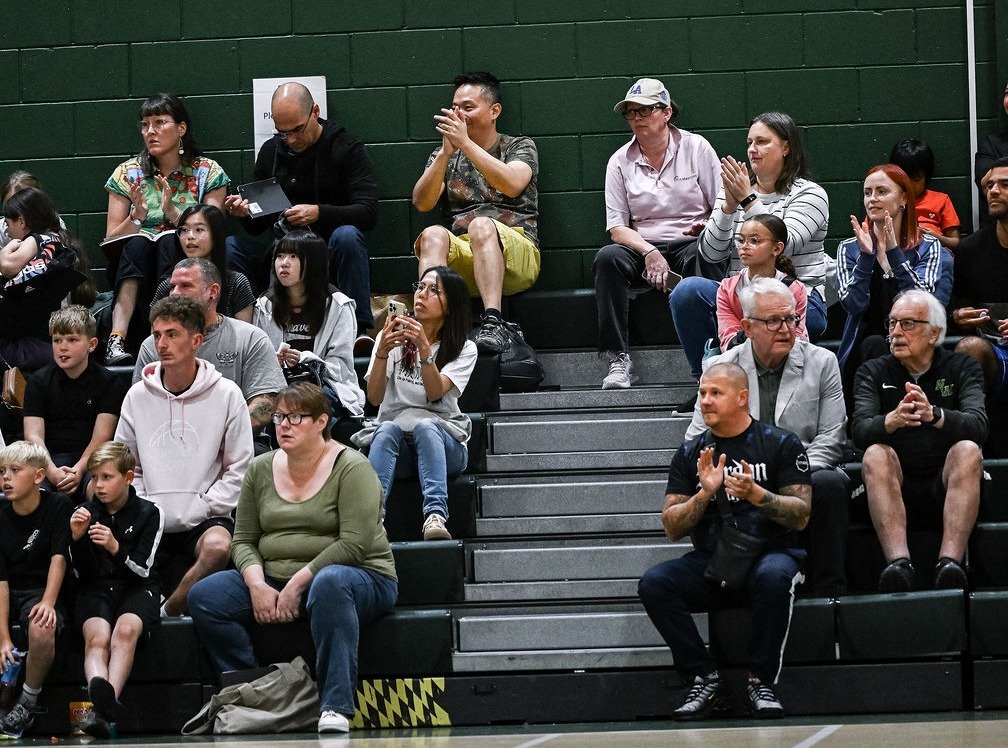
The club marked the milestone alongside the 25th anniversary of Nottingham Wildcats Arena with a celebration day bringing together alumni, families and current players. A run of Wildcats victories culminated in the Super League Basketball Women’s team beating Leicester Riders, giving the occasion a competitive finish as well as a chance to look back.[1]
From a merger to a permanent home
The Wildcats were formed in 1976 when Dayncourt Wildcats and Nottingham Basketball combined their players and resources. Their starting point was modest: one team in National League Women’s Division Two, playing home fixtures in a school gym in Radcliffe on Trent.[1]
Five decades later, the scale is markedly different. Club chair Chris Prior told Basketball England that the Wildcats Trust is now a registered sporting charity and not-for-profit company. He said it owns and operates the three-court arena, maintains a five-bedroom players’ house and employs the equivalent of 10 full-time staff, supported by a growing volunteer base.[1]
Those details matter because facilities can determine whether a pathway exists only on paper or works every week. The arena gives the Wildcats a base for training, games and community activity rather than leaving each programme dependent on borrowed court time. Nottingham Academy, located next to the venue, also uses it for pupils’ daily PE provision.[1][4]
Women and girls at the centre
The anniversary reflects a club identity shaped by women across generations. Co-founder Pauline Prior, who died in 2020, was a decorated Wildcats player, while daughter Siobhan progressed from the club to an overseas career and a Commonwealth Games silver medal with England before moving into coaching and leadership. Chris Prior remains chair of the Trust.[1][4]
Siobhan told Basketball England that the club’s decisions have consistently put its ethos, belief in women in sport and players first. The strongest evidence of that continuity could be seen at the celebration itself: former players returned, some now bringing their own children into the same basketball community.[1]
That sense of belonging is paired with competitive ambition. The current structure includes 10 teams at National League level and a women’s team in Super League Basketball. At entry level, the Mini-ballers programme attracts more than 100 girls and boys on Saturday mornings.[1]
A pathway without a missing middle
The Wildcats’ player pathway is built around progression rather than a single elite team. Their academy partnership allows student-athletes to continue academic study while practising daily; girls compete in the Women’s Elite Academy Basketball League, while boys play in the EABL. The academy also delivers a Diploma in Sporting Excellence with Basketball England and South Gloucestershire College.[1]
For young women, one of the most important steps is the senior bridge. The University of Nottingham Wildcats team in NBL Division Two was created with the university, the professional women’s programme and Nottingham Academy Wildcats. Its purpose is to give academy and university players somewhere to develop between under-18 basketball and the demands of the top senior level, with possible routes into the professional side, British university basketball or US colleges.[3]
Nottingham Academy describes a broader offer in which pupils can encounter basketball once, play occasionally or commit to training for as many as five school days per week. That flexibility widens the entrance to the sport while preserving a performance route for players ready to pursue it.[4]
An arena that serves a basketball ecosystem
The building is not used solely by the headline teams. It stages the Central Venue League run on Friday evenings, where the Nottingham Cobras recreational programme competes within an age-group competition of nearly 30 teams. The arena also hosts the local Sherwood men’s and Maid Marian women’s leagues.[1]
That mix helps explain why the Wildcats’ anniversary carries significance beyond trophies. A permanent venue, school partnership, recreational leagues, age-group teams and senior opportunities reinforce one another. Young players can see the next level, while coaches, volunteers and returning alumni keep experience inside the system.
The club is expanding its boys’ provision and has launched a men’s programme in its 50th season, but its leaders say the commitment to empowering women will remain unchanged.[1][2] The challenge for the next 50 years is to protect that identity while widening access. Nottingham’s record suggests the answer will not rest on one team or one result, but on continuing to give women and girls courts, coaching and a credible route forward.
Sources
[1] 50 years and counting – Nottingham Wildcats